


How to Convert 2D Concept Art into a Clean 3D Mesh in Blender
Converting 2D concept art into a clean 3D mesh in Blender often frustrates artists, especially when they try it for the first time. A design that looks clear and well-defined...
Read MoreConverting 2D concept art into a clean 3D mesh in Blender often frustrates artists, especially when they try it for the first time. A design that looks clear and well-defined...
Read MoreMany beginners try to convert a 2D image to 3D model in Blender, but the process often becomes confusing. A simple image may look perfect in an image viewer, yet...
Read MoreImporting advanced 3D capture data into a rendering pipeline often frustrates artists who try to import and render Gaussian Splats in Blender Octane for the first time. A scene that...
Read MoreThe e-commerce industry is changing rapidly every day. With many other online stores, it is important to be ahead of the curve. Technology innovations are currently shaping a transformation on the e-commerce side...
Read MoreAre you tired of trying to make 3D models in Blender and ending up with something super complicated, full of too many polygons, and not looking right for games? The...
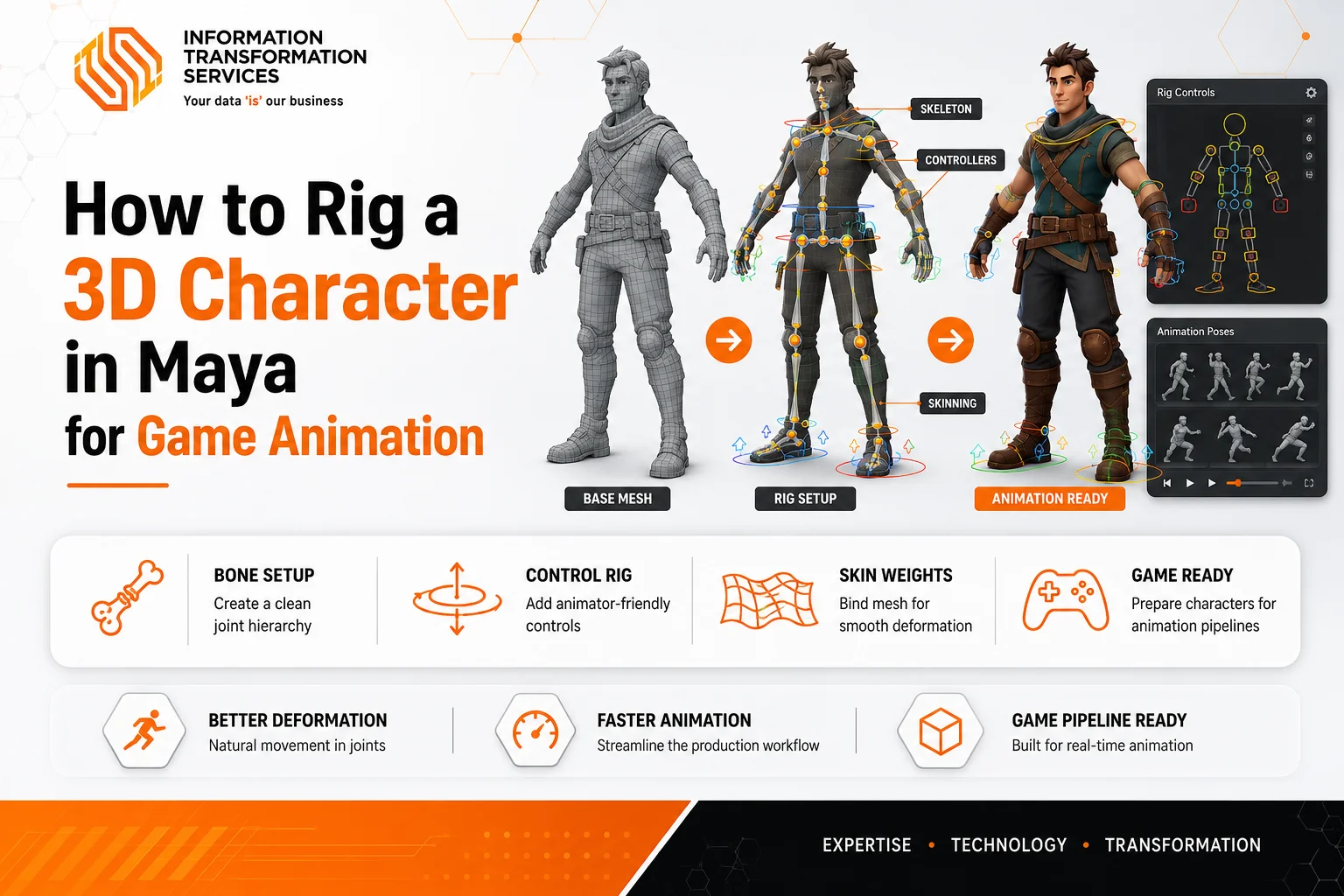
Read MoreCreating animation-ready 3D models can become frustrating when artists realize that a visually impressive model does not automatically translate into a functional asset within an animation pipeline. You spend hours...
Read MoreLLM features help startups ship faster, but the bill can climb in ways that feel almost sneaky. A few long prompts, a couple retries during a provider hiccup, and suddenly...
Read MoreDesigners and 3D artists often struggle with the extraction of intricate materials from SOLIDWORKS into Blender. You ship the CAD model and realize that you have lost all your thoughtfully...
Read MoreIt would be easy to automate the Gaussian Splatting reconstruction in Blender via Python, but practically, it causes numerous problems. Users are usually successful at training a Gaussian Splatting model,...
Read MoreNeRF and Gaussian Splatting reconstructions are also inefficient to process manually in Blender, especially in cases of large datasets. Considering that it takes time to run every reconstruction separately, opening...
Read MoreDemand for short-term mobility keeps growing, and two-wheel rentals (motorcycles and scooters) add their own operational challenges: faster turnover, tighter scheduling, and customers who expect an instant online booking flow....
Read MoreImplementing soft body and fabric simulation for AR product try-on creates a whole range of issues that rigid 3D assets never have. Fabric needs to bend, stretch, collide, and settle...
Read MoreTeams often struggle when moving CAD data into marketing workflows. CAD files are heavy, complex, and not optimized for rendering or interactive use, which leads to errors, slowdowns, and repeated...
Read MoreDesigners, marketers, and e-commerce business owners have long struggled to bring 2D product images to life as realistic 3D models. Native 3D design takes time and is expensive, and it...
Read MoreLOD creation is a critical component of any game asset pipeline, but for many it's also one of the most laborious and mistake-prone areas. Duplicating meshes by hand, reducing polycounts...
Read MoreManually transferring to baked vertex colors between various mesh is probably the world's stupidest thing in Blender. A lot of times a designer or tech artist will spend hours meticulously selecting each...
Read MoreHandling material assignments in extensive 3D product catalogs is among the most prevalent issues faced by designers and technical artists. Picking objects and adding materials by hand is slow, error-prone, labor-intensive,...
Read MoreBlender is time-consuming and error-prone when it comes to the manual validation of UVs and managing the level of textile density. Lap laps in UVs, varying texel density, and extended...
Read MoreThe development of realistic materials and shaders is a vital step in the development of realistic 3D product renders. Most product models are flat, too glossy or aesthetically inconsistent due...
Read MoreWhen it comes to 3D modeling, making a product or object look realistic by introducing signs of wear, such as a battle-worn weapon, an aged piece of furniture or a...
Read More